01
It is the law
Third-party liability cover is compulsory for every vehicle on a public road.
The basics
Motor insurance protects a vehicle, and you, against financial loss from an accident, theft, fire or damage, and against claims from other people hurt or affected by it. Under the Motor Vehicles Act, 1988, every vehicle used on a public road must carry at least third-party liability insurance.
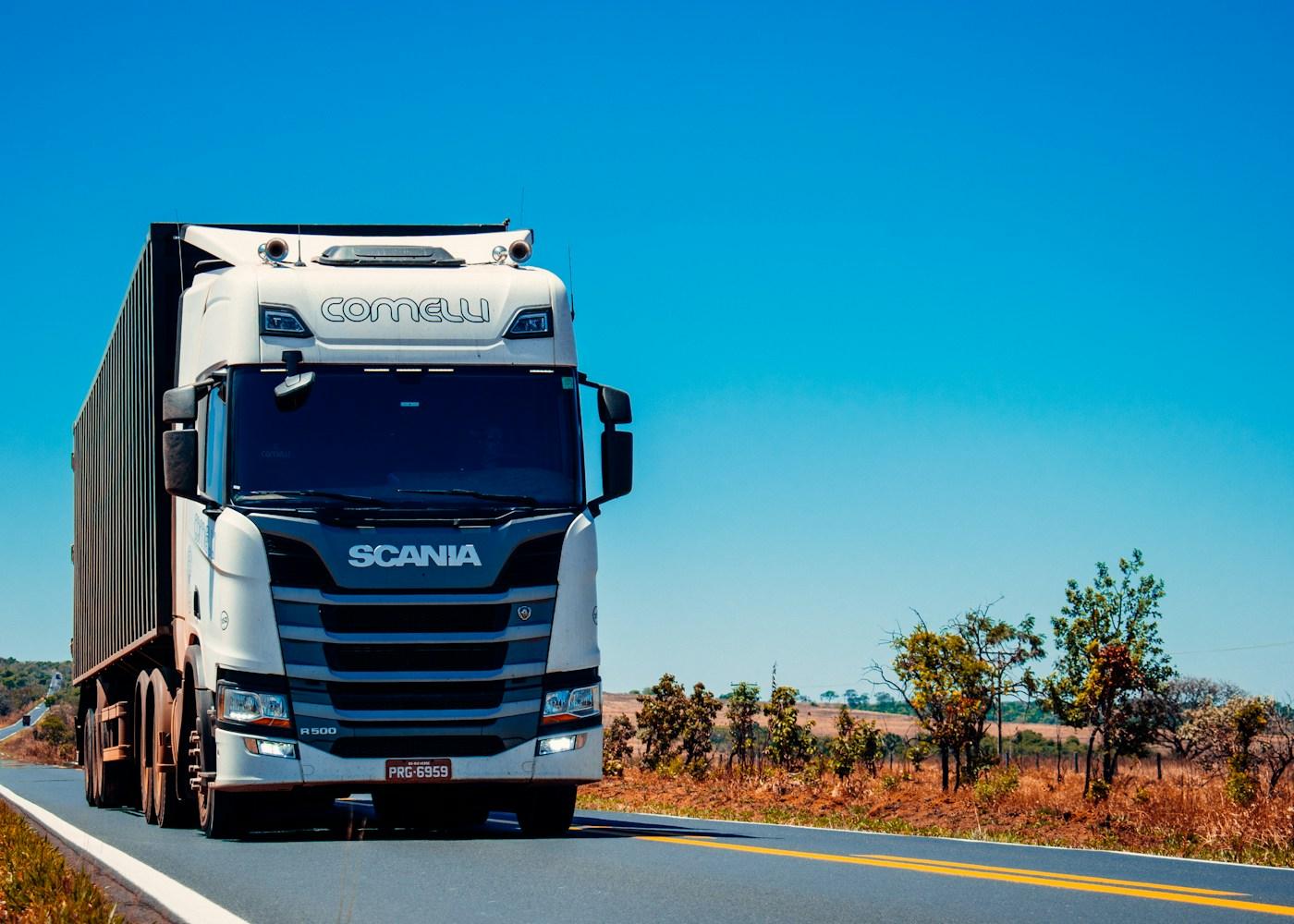
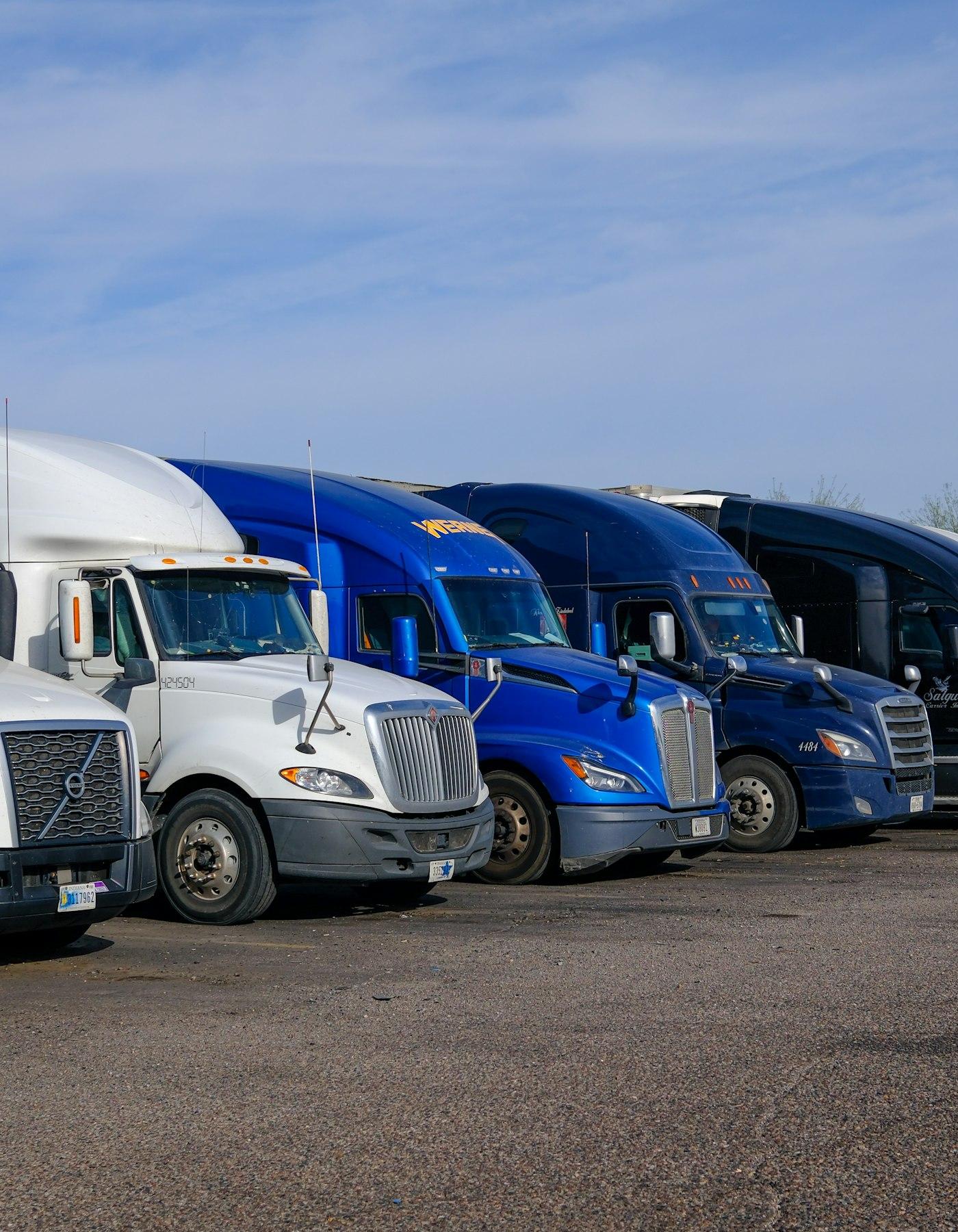
Vehicles are essential to daily operations, and downtime is costly. We simplify insurance for business vehicles with one fleet programme, aligned renewals and dedicated claims support.
Did you know?
Third-party cover is the part the law requires. Own-damage cover, which pays for repairs to your own vehicle, is the part that protects your balance sheet.
Why it matters
Keep scrolling
Who it’s for
What’s covered and what’s not
Third-party liability
Own damage (comprehensive and own-damage policies)
Owner-driver
Note: Optional add-ons, such as zero depreciation, engine protection, roadside assistance and legal liability to a paid driver, depend on the insurer and the policy you choose. Always read the policy wording carefully.
We go through the full policy wording with you before you buy. Exact cover and exclusions depend on the insurer and policy you choose.
Discuss your needsKey features and add-ons
Legal liability for injury, death or property damage to other people.
Repair cost, or the insured value, if your own vehicle is damaged or lost.
The value your vehicle is insured for, which is the basis for a total-loss settlement.
A compulsory personal accident cover for the owner-driver.
Optional extras such as zero depreciation, roadside assistance and engine protection.
A discount on the own-damage premium for years without a claim.
How it works
List your vehicles
Share the type, registration, age and use of each vehicle, so cover can be matched to the risk.
Premium
Motor premiums depend on the vehicle, how it is used and who drives it.
The final premium is set by the insurer. We compare quotes side by side so you see what drives yours.
Get a quoteHow iCare helps
We start with your business, what you need to protect and where the gaps are.
Cover, limits, deductibles and pricing from leading insurers, side by side.
We go through the policy carefully before you commit, so there are no surprises.
If something goes wrong, we guide you through the claim and follow up with the insurer.
Claims process
The exact process varies by insurer and claim. These are the usual steps.
Make the scene safe
Get help for anyone injured, and move to safety. Do not admit liability at the scene.
Tell the insurer
Report the accident or loss as soon as you can, with the policy number and vehicle details.
Police report where needed
File an FIR for theft, serious damage, or any accident involving injury or a third party.
Survey and repair
The insurer may appoint a surveyor. Repair at an approved garage or as the insurer agrees.
Submit documents and settle
Send the claim form and papers. The insurer settles under the policy terms.
Renewals / A little foresight goes a long way
We start early, so your cover carries on.
01 / Early
A full review of your current risk portfolio.
Motor policies usually run for a year. A fleet policy lets all your vehicles renew on one date, so nothing lapses. Review the insured values and add-ons each year.
FAQs

Yes. The Motor Vehicles Act, 1988 requires every vehicle used on a public road to have at least third-party liability insurance.
Third-party cover pays for harm you cause to other people and their property. Comprehensive cover adds own damage, so your own vehicle is covered too.
A single policy that covers several vehicles owned by the same business. It brings them under common terms and one renewal date.
The value your vehicle is insured for. It is the basis for a settlement if the vehicle is stolen or damaged beyond repair.
Typically driving without a valid licence or under the influence, use outside the permitted purpose, wear and tear, mechanical breakdown and consequential loss. Check your policy wording.
Explore more
Tell us about your vehicles and how you use them. We’ll come back with cover options from leading insurers.