01
Cargo protection
Against loss or damage from storms, collisions, groundings or fire.

The basics
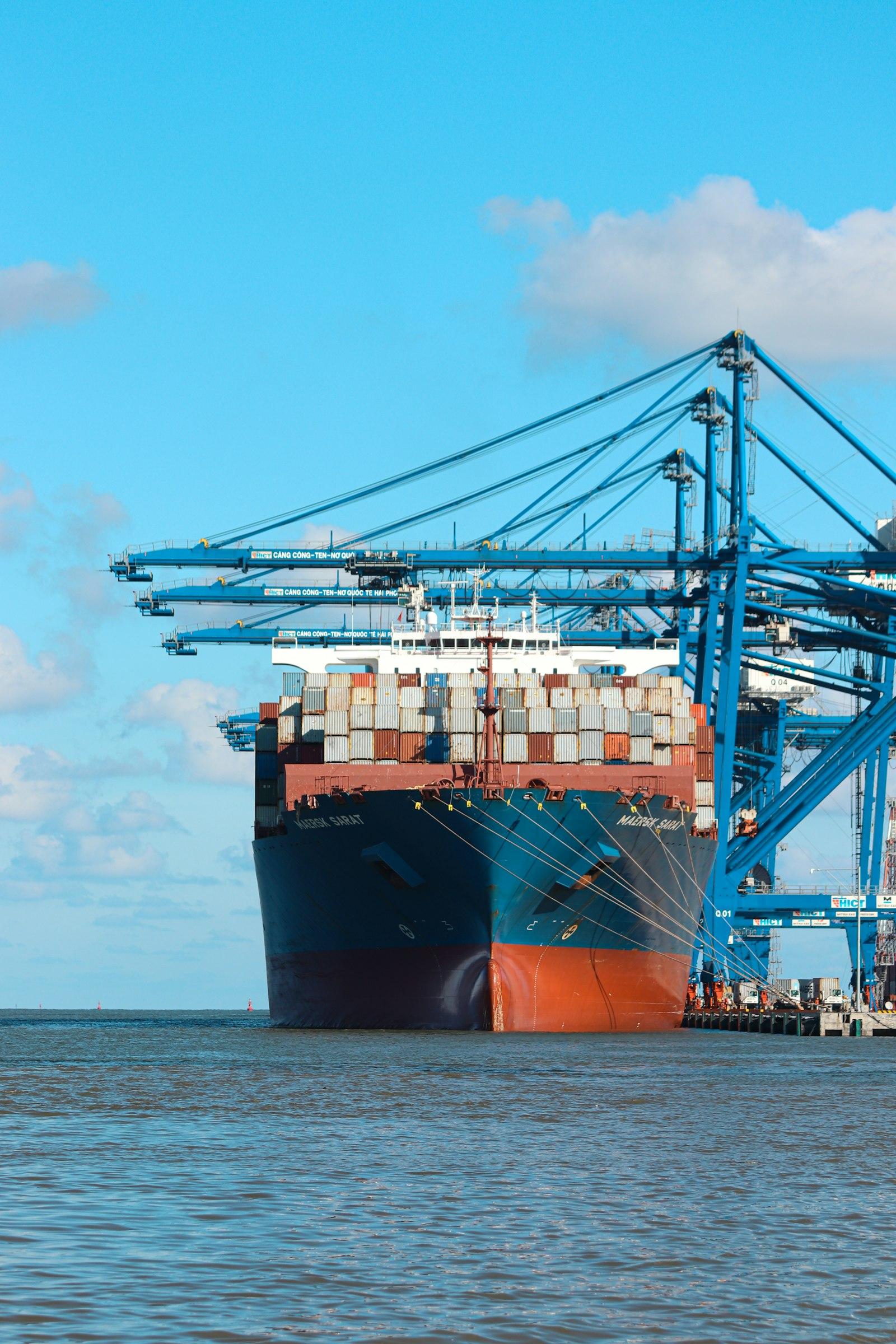
Marine insurance covers loss of or damage to ships, cargo, terminals and any mode of transport while property is moved, acquired or held between its origin and its final destination.
It falls into two main categories: hull and machinery, which protects the ship itself, and cargo, which protects goods in transit. Depending on the policy, it can also cover general average, war risks, and strikes, riots and civil commotion.
Did you know?
Marine insurance isn’t only for sea voyages. Policies can apply across sea, air, road and rail, with worldwide coverage.
Why it matters
Keep scrolling
Who it’s for
What’s covered and what’s not
Cargo
Hull
Optional extras
Note: Optional extras depend on the policy you choose. Always read the policy wording carefully.
We go through the full policy wording with you before you buy. Exact cover and exclusions depend on the insurer and policy you choose.
Discuss your needsKey features and add-ons
Accidents, theft, fire, natural disasters and other unforeseen events.
Sea, air, road, rail or a combination of them.
Policies can be tailored and can offer worldwide coverage.
Cover for any cause subject to exclusions, or only for listed events.
Goods valued at an agreed value, the invoice value or the market value.
The insurer can pursue the responsible party; you pay the deductible first.
How it works
Assess your risks
Identify the threats your vessel or cargo faces on the way, such as weather, collisions, theft or piracy.
Premium
Marine premiums depend on what you ship, how and where.
The final premium is set by the insurer. We compare quotes side by side so you see what drives yours.
Get a quoteHow iCare helps
We start with your business, what you need to protect and where the gaps are.
Cover, limits, deductibles and pricing from leading insurers, side by side.
We go through the policy carefully before you commit, so there are no surprises.
If something goes wrong, we guide you through the claim and follow up with the insurer.
Claims process
The exact process varies by insurer and claim. These are the usual steps.
Notify
Inform your insurer right away when you discover a loss.
File the claim
Complete the claim form: date, time, location and nature of the damage.
Gather proof
Collect reports, repair estimates, receipts and invoices.
Assess & settle
Work with the claims adjuster, then review the settlement offer carefully.
Renewals / A little foresight goes a long way
We start early, so your cover carries on.
01 / Early
A full review of your current risk portfolio.
Most business policies run for a fixed term, typically a year. Before you renew, review your cover, values and any changes in your business.
FAQs

Mainly two things: hull and machinery (the ship, its engines and equipment) and cargo (goods in transit). Depending on the policy, it can also cover general average, war risks, and strikes, riots and civil commotion.
Anyone involved in moving goods or operating vessels: ship owners and operators, importers and exporters, offshore oil and gas companies, port and terminal operators, freight forwarders and logistics companies, and boat owners.
The type of vessel, the type of cargo, the route, the insured value, the perceived risk, your claims history and the safety measures in place.
Inherent vice (goods deteriorating naturally), intentional damage, delays, and losses arising from financial issues. Always read your policy wording carefully.
Yes. Marine cover can apply to goods moving by sea, air, road, rail or a combination, and policies can be arranged with worldwide coverage.
Either. A specific policy covers individual shipments, while an open policy covers all your shipments within a set period.
Contact your insurer as soon as you discover a loss. The process typically involves documentation, a survey and, in some cases, salvage. We guide you through each step.
Explore more
Tell us what you ship and where it goes. We’ll come back with cover options from leading insurers.