01
Fire losses are large
Repairing or replacing buildings, machinery and stock can run into lakhs or crores.

The basics
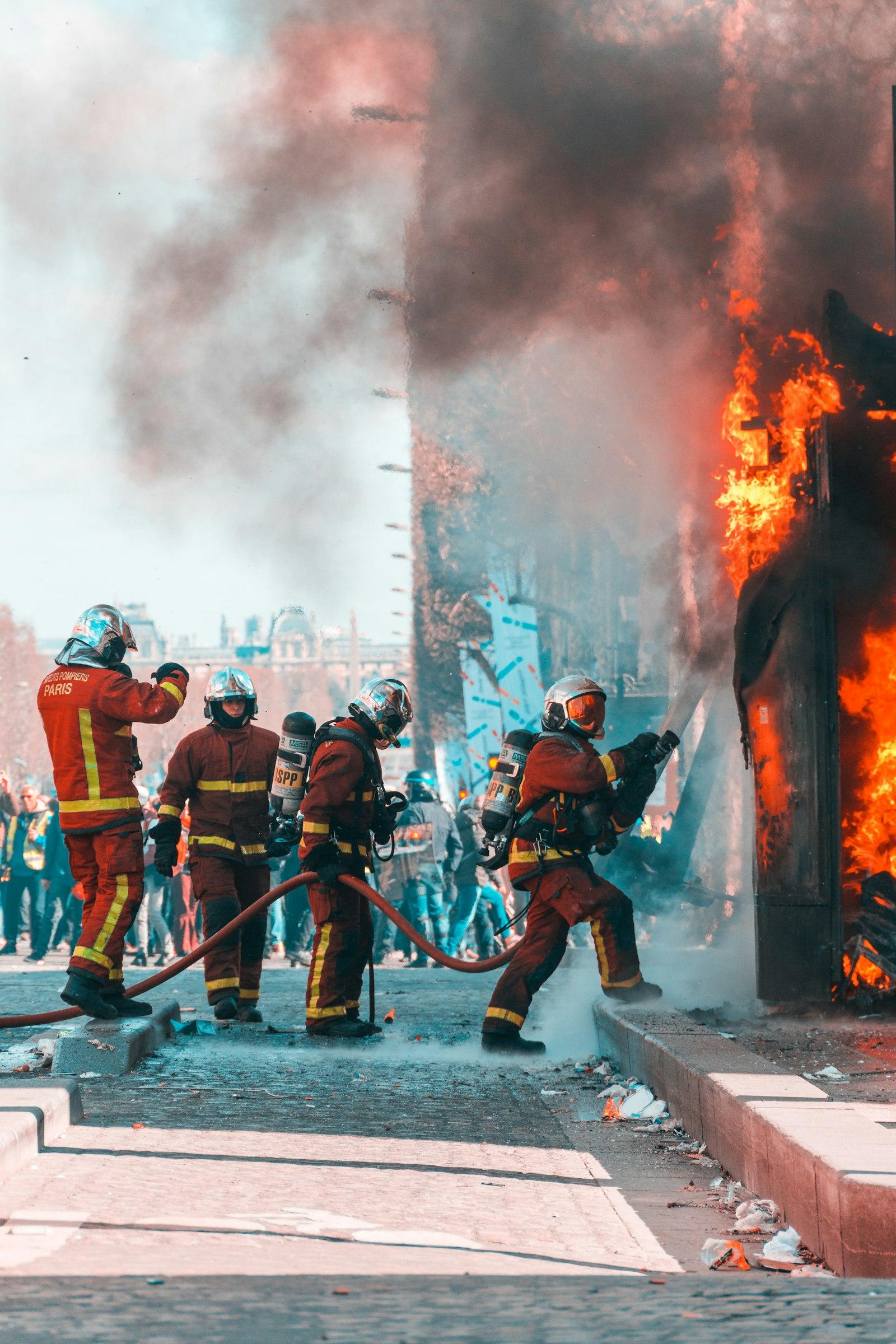
A fire can destroy years of work in a few hours. Buildings, machinery, stock and records can be lost, and the cost of rebuilding and getting back to normal can be far more than most businesses and homeowners expect. iCare’s fire insurance gives you financial protection against fire and related perils, so a mishap does not become a financial crisis.
Fire insurance is a policy that covers loss or damage to your property caused by fire. You pay a premium to the insurer, and in return the insurer compensates you for covered losses, so you can repair, rebuild or replace what was damaged.
In India, fire insurance usually also protects against related perils such as lightning, explosion, aircraft damage, riot and strike, storm, flood and earthquake, depending on the policy. You can buy it for a home, a shop, an office, a warehouse or a factory, and cover the building, contents, machinery and stock.
Why it matters
Keep scrolling
Who it’s for
What’s covered and what’s not
Note: Your policy schedule lists the exact perils and items covered. A note on underinsurance: under an average clause, if your sum insured is lower than the real value, the payout is reduced proportionately. For example, if you insure stock for ₹20 lakh but its real value is ₹30 lakh, and a fire causes a ₹6 lakh loss, you would receive about ₹4 lakh (₹6 lakh × 20/30).
We go through the full policy wording with you before you buy. Exact cover and exclusions depend on the insurer and policy you choose.
Discuss your needsKey features and add-ons
The insurer compensates you for the actual loss, up to the sum insured.
You can only insure property in which you have a financial stake.
The loss must be a direct result of an insured peril.
Policies can include furniture, appliances, machinery and stock.
Pays an agreed amount, regardless of the actual loss, up to the policy limit.
Pays the actual loss, up to the sum insured.
Reduces the payout in proportion if the property is underinsured.
Covers property at multiple locations under one sum insured.
Covers fire along with a wider set of perils.
Covers indirect losses such as lost profit after a fire.
Pays the cost of replacing damaged items with new ones, without deducting depreciation.
How it works
Assess your property
Work out the replacement value of your building, contents, machinery and stock.
Premium
The final premium is set by the insurer. We compare quotes side by side so you see what drives yours.
Get a quoteHow iCare helps
We help you work out replacement values and choose the right sum insured and deductible.
We match the policy type, perils and add-ons to your property and operations.
Fire, engineering, liability and employee benefit covers can be arranged together.
Our team can support safety programme development, on-site inspections and employee training.
We guide you at every step, from reporting the loss to settlement.
Claims process
The exact process varies by insurer and claim. These are the usual steps.
Report the fire
Inform iCare and the insurer immediately, and notify the fire department. If the fire was suspicious or criminal, inform the police.
Limit further damage
Take reasonable steps to protect the remaining property.
Document the loss
Take photos and videos, and keep a list of damaged items.
Submit the claim form
Fill in the insurer’s claim form with details of the fire, damage and loss.
Provide documents
These usually include the policy copy, proof of loss (receipts, appraisals, photos), the fire department report and, where required, a police report.
Survey and assessment
The insurer’s surveyor inspects the property and assesses the loss.
Settlement
Once everything is in order, the claim is paid as per the policy, either to you or directly for repairs.
Renewals / A little foresight goes a long way
We start early, so your cover carries on.
01 / Early
A full review of your current risk portfolio.
Fire insurance is usually renewed every year.
FAQs

Fire insurance protects you financially if fire damages your property. It covers the cost of repairing or rebuilding the structure and replacing damaged contents, machinery or stock. Depending on the policy, it can also cover related perils such as lightning, explosion and storm.
Common types include valued, specific, average, floating, comprehensive, consequential loss and replacement policies. Each one handles the sum insured and the payout differently, so the right choice depends on your property and needs.
The cost depends on the value of your property, its location and construction, the nature of your operations, your claims history and the cover you choose. It is a good idea to compare quotes before you buy.
Typical exclusions include intentional damage, war, nuclear risks, wear and tear, faulty design or materials, pollution, and theft during or after a fire. Cash and valuables are covered only if declared.
Report the fire to your insurer and the fire department straight away, document the damage with photos, fill in the claim form and submit the required documents. The insurer will then assess the loss and settle the claim.
Explore more
Talk to iCare today for a fire insurance quote tailored to your property and business.